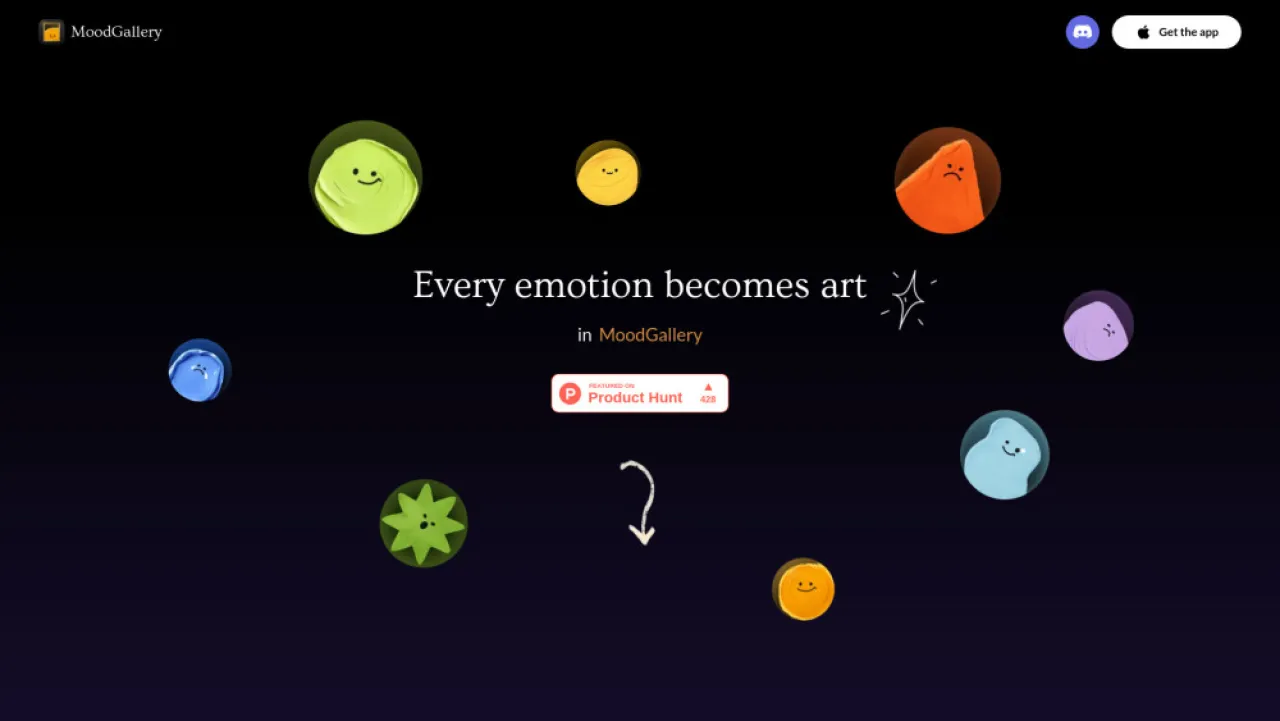
Moodset and MoodGallery offer distinct approaches to mood tracking on the web. Moodset combines automatic mood detection with music driven insights, while MoodGallery translates feelings into AI generated art for visual self awareness. Both aim to enhance emotional understanding and daily well being, but they serve different user preferences.
Daily emotional check-ins
Creative emotional expression without art skills
Support mood journaling and sharing a personal gallery
Visual mood tracking during major life events
Unique AI-generated art transforms moods
Enhances emotional self-awareness
Shareable galleries promote social support
AI-generated mood paintings: Visualize feelings creatively
Personal MoodGallery creation: Track and share your emotions
Emotional pattern insights: Understand mental health trends
Journaling and reflection: Deepen self-awareness
Customizable gallery: Personalize your mood art collection
Tracking mood changes
Creating customized playlists for different moods
Enhancing mental well-being
Gaining insights into emotional triggers
Offers automatic mood detection
Provides personalized playlists
Enhances emotional awareness
Automatic mood detection
Personalized mood mapping
Emotional history visualization
Custom playlist creation
Music preference analysis
For users seeking practical mood history and music driven insights, Moodset is the better option. For users who value creative expression and social sharing through AI art, MoodGallery shines. Overall, choose Moodset for music driven mood tracking and MoodGallery for visual journaling, selecting based on your preferred mode of emotional reflection.
Moodset operates on a freemium model with a 0.00 price for core features and monthly billing under a subscription model. MoodGallery lists a price of 11.99 with freemium access, also billed monthly under a subscription model. In terms of accessibility and value, Moodset provides a no barrier entry point for basic mood tracking, while MoodGallery offers paid access to its visual and journaling features.
Performance metrics such as speed and reliability are not provided. Both are web based experiences with cloud driven processing for mood data and AI generated art. In absence of concrete numbers, we can note that Moodset prioritizes responsive mood detection while MoodGallery emphasizes art rendering quality, reflecting their architectural priorities.
Moodset offers a user friendly interface that supports automatic mood detection and manual mood entries along with personalized playlists. MoodGallery provides a beginner friendly experience focused on AI generated mood paintings and a personal mood gallery. Moodset is ideal for users who want music driven emotional insights, while MoodGallery appeals to those who enjoy visual expression and sharing. Onboarding is streamlined for both as they run in a web environment.
Moodset operates on a web platform with music and AI related capabilities; MoodGallery reports no direct integrations available.
Moodset may be biased toward music preferences and may not capture every nuance of emotion. MoodGallery centers on visuals and may be less suited for users who prefer textual journaling or data exports.